Protecting Property From Wildfire Risk: Roof, Walls And Decks
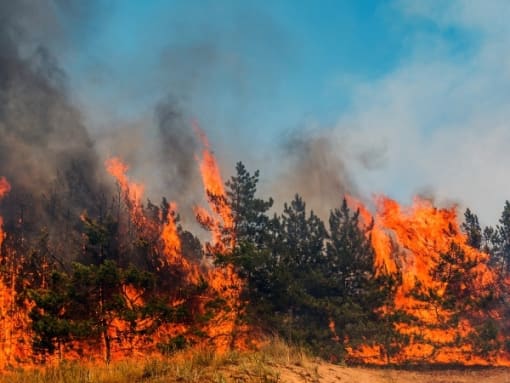
While much of the focus in wildfire season is on the zones around your property, the goal is to ultimately protect your residence and keep it safe during a wildfire. There are several important steps that can be taken to help your property survive an advancing wildfire and the embers that often start residential fires.
Protecting your property’s roof
Roofs are susceptible to embers and flames; therefore fire-resistant materials should be used. Untreated wood shakes are highly flammable, but many other options such as metal, asphalt, clay and composite rubber tiles are resistant to or act as fire retardants.
While the material roofs are constructed from is important, ongoing maintenance to remove any plant material or other debris that could ignite is also critical. Gutters should be cleaned regularly and ideally be screened with mesh to avoid build-up of flammable materials.
Be sure to look for entry points that could pose a risk. For example, vents designed to allow airflow into your attic are also possible openings for embers that could allow a fire to start. Make sure they are screened.
Exterior walls are key to stopping fires
Wooden and vinyl siding is quite flammable, while brick, aluminum and stucco are fire resistant. Walls should be protected from ignition by a minimum 15 cm of non-combustible ground to siding clearance or spacing.
Windows should be tempered and double paned. All doors, including garage doors, should be fire rated too. It’s important for them to be sealed.
Decks and fences can provide gateways to fire
Embers can collect under decks and, if possible, they should be screened or enclosed. In the event of a fire, they can provide a direct route for the flames to your house. Also, keep weeds and grasses trimmed at the base of fences as they can provide another pathway to fire.
